
She Once Weighed Nearly 1,100 Pounds and Could Barely Move — The Extraordinary Transformation of Mayra Rosales
At one point in her life, Mayra Lizbeth Rosales was recognized as one of the heaviest women in the world.
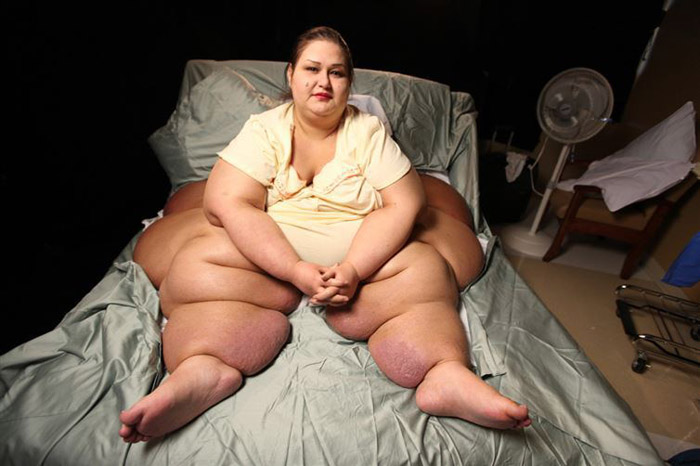
Weighing approximately 1,100 pounds, or nearly 500 kilograms, she faced extraordinary physical challenges that made ordinary daily activities almost impossible.
She struggled to stand, walk, or move independently.
Even getting out of bed required assistance.
But her story would eventually become known around the world for a transformation that involved much more than her appearance.
After receiving extensive medical treatment, undergoing multiple procedures, and making major changes to her lifestyle, Mayra lost hundreds of pounds.
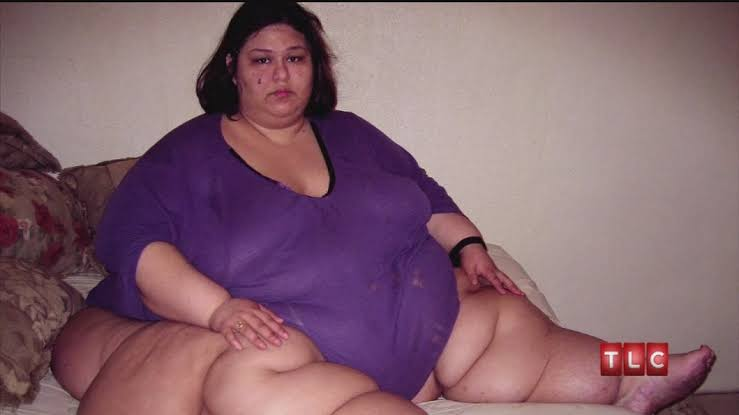
Her dramatic before-and-after photographs attracted international attention.
Yet behind those images was a complicated story involving serious health problems, a family tragedy, a criminal case, and a determination to rebuild her life.
And one important fact is frequently missing from articles that continue circulating online: Mayra died in February 2024, at the age of 43.
Her remarkable transformation remains part of her story, but it should be remembered alongside the difficult experiences she faced.
A Life That Became Increasingly Difficult
Mayra was born on November 6, 1980, in Texas.
She grew up in the Rio Grande Valley region near the United States–Mexico border.
As her weight increased over the years, her mobility became severely restricted.
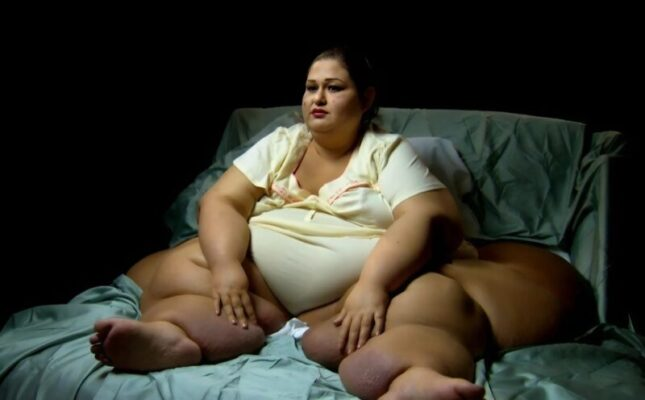
At her heaviest, she was largely confined to bed.
She could not stand independently, and routine activities required assistance.
In a 2013 interview with ABC News, Mayra described how her body had reached a point where she could no longer support her own weight.
Her physical condition also created significant medical risks.
Treatment was complicated by the severity of her obesity and the difficulty of safely moving and examining her.
But her health challenges were only part of the reason her name became internationally recognized.
The Family Tragedy That Changed Everything
In 2008, Mayra became the subject of widespread news coverage following the death of her two-year-old nephew.
She initially claimed she had accidentally caused the child’s death by falling onto him.
The allegation resulted in a murder charge and intense media attention.
Because of her extraordinary weight, the case generated sensational headlines.
Some outlets began referring to her as the “Half-Ton Killer.”
But the investigation eventually revealed a different account.
Medical evidence raised serious doubts about Mayra’s original explanation.
She later admitted that her confession had been false and that she had been trying to protect her sister, Jamie Lee Rosales.
Investigators determined that the child’s death was connected to abuse by his mother.
The charges against Mayra were dropped.
Her sister was subsequently prosecuted.
The case became an important turning point in Mayra’s life.
She had endured a devastating family tragedy while facing severe health challenges and intense public scrutiny.
After her name was cleared, she began focusing on her medical recovery.
The Beginning of an Extraordinary Transformation
Mayra received specialist treatment in Houston under the supervision of bariatric surgeon Dr. Younan Nowzaradan, who later became widely known through TLC’s My 600-lb Life.
Her treatment required extensive medical supervision.
The process wasn’t a simple matter of following a diet for a few months.
Her condition required careful planning because of the risks associated with surgery and her limited mobility.
She underwent nutritional treatment, rehabilitation, and multiple surgical procedures.
Some operations addressed medical complications, while others involved excess skin.
Her treatment also included bariatric surgery.
The changes happened over time.
Gradually, Mayra began regaining physical abilities that had previously been beyond her reach.
Those improvements represented major milestones in her recovery.
How Much Weight Did Mayra Rosales Lose?
Mayra’s weight-loss transformation became one of the most widely reported aspects of her life.
In December 2013, ABC News reported that she had lost more than 800 pounds.
That represented approximately 363 kilograms.
At the time, she reported weighing around 200 pounds, or approximately 91 kilograms.
The difference was extraordinary.
Earlier in her life, Mayra had been unable to support her own weight while standing.
After extensive treatment, her mobility and independence improved significantly.
Her transformation was documented through photographs, television interviews, and a TLC special.
However, the numbers frequently repeated online should be understood as historical reports rather than verified measurements of her weight in later years.
They also should not be interpreted as an example of a typical or recommended rate of weight loss.
Mayra’s circumstances required highly specialized medical care.
The Television Documentary That Captured Her Journey
Mayra’s story became the subject of TLC documentaries, including Half-Ton Killer? and the follow-up Half-Ton Killer: Transformed.
The second program aired in December 2013.
It followed her efforts to rebuild her life after the criminal allegations against her were dropped.
The documentary explored her medical treatment, rehabilitation, and ambitions for the future.
Viewers saw a woman attempting to regain control over daily activities that had once seemed impossible.
The program also highlighted the emotional challenges she faced.
Her transformation was not limited to the number on a scale.
It involved learning to move more independently, adjusting to a different lifestyle, and coping with the consequences of years of severe illness.
The Before-and-After Photographs That Shocked Viewers
Photographs of Mayra before and after her treatment circulated widely.
The earlier images showed her during a period when she was largely confined to bed.
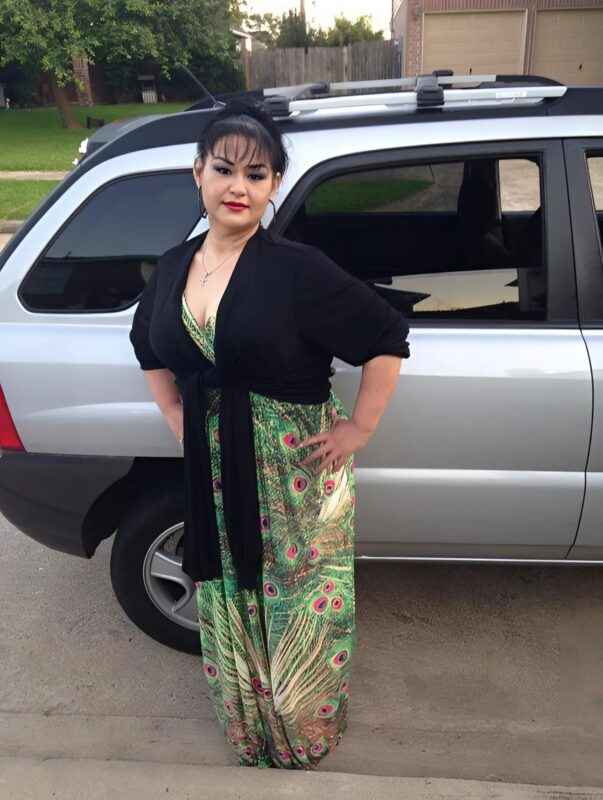
Later photographs showed a dramatically different appearance.
For many viewers, the difference was difficult to believe.
But the transformation was documented by established news outlets and television programs.
Unlike digitally manipulated celebrity comparisons, the central weight-loss story was real.
Nevertheless, not every image shared online is reliably dated or labeled.
Some websites have repeatedly recycled older photographs while presenting them as recent updates.
Readers should be cautious about articles claiming to show exactly what Mayra looks like “today.”
Her documented transformation occurred years before her death.
A New Level of Independence
By 2015, Mayra was publicly discussing the enormous changes in her life.
Local television coverage reported that she had reached approximately 200 pounds.
She described enjoying greater independence and being able to perform activities that had previously been impossible.
Her life had changed in ways that extended beyond her physical appearance.
She could participate more actively in everyday routines.
She was also able to make plans for herself and her family.
These changes were significant because of how restricted her mobility had once been.
The progress followed extensive medical treatment, rehabilitation, and ongoing lifestyle adjustments.
But recovery from severe obesity is complex.
It can involve long-term medical monitoring and challenges that may not be visible in photographs.
Her Story Was More Complicated Than the Headlines
Mayra’s life was often reduced to two sensational subjects.
Her extreme weight.
And the criminal allegations associated with her nephew’s death.
But both parts of the story deserve careful context.
Her weight represented a serious medical condition rather than a spectacle.
And she was cleared of the murder allegations after investigators uncovered evidence that contradicted her false confession.
During interviews, Mayra spoke about the emotional difficulties she experienced before beginning treatment.
She also discussed the importance of changing the direction of her life.
Her recovery was shaped by medical support, difficult personal decisions, and the possibility of a more independent future.
That broader story is far more meaningful than the dramatic photographs alone.
What Happened to Mayra Rosales?
Although articles published in 2025 and 2026 sometimes describe Mayra as though she is still alive, public death notices establish that her life ended earlier.
Mayra Lizbeth Rosales died on February 16, 2024, at McAllen Medical Center in Texas.
She was 43 years old.
Her death was reported in an obituary published by The Monitor and in a local death notice.
The available death notices do not establish a publicly verified cause of death.
It would therefore be inappropriate to assume that her death was caused by her earlier obesity, her weight-loss treatment, or a particular medical complication.
Her life and transformation remain documented through interviews, news reports, and television programs.
The Legacy of Mayra Rosales
Mayra’s transformation attracted worldwide attention because of the extraordinary scale of her weight loss.
She went from being largely unable to move independently to regaining significant mobility following years of treatment and rehabilitation.
Her reported weight loss exceeded 800 pounds.
But those numbers represent only one part of her experience.
She also navigated a devastating family tragedy, the consequences of a false confession, and intense public attention.
Her story demonstrated the importance of specialized medical care and how profoundly someone’s circumstances can change over time.
Mayra Rosales once weighed approximately 1,100 pounds and became one of the most recognizable people living with extreme obesity. After extensive treatment, she reportedly lost more than 800 pounds and regained substantial independence.
She died in February 2024 at the age of 43, but the dramatic transformation documented during her life continues to attract attention years later.
Her story remains a reminder that behind every startling before-and-after image is a human being whose life cannot be understood through appearance alone.