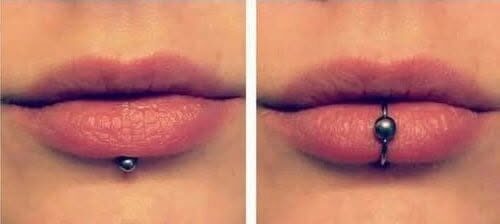
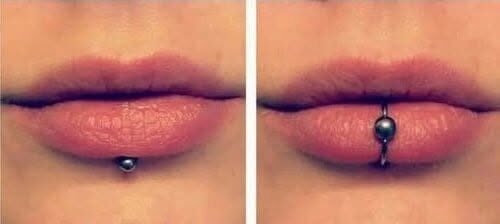
Mouth piercings placed on the lip, tongue, or cheek are among the most noticeable forms of personal decoration. Because they appear close to the face, they quickly become part of the way a person presents themselves and communicates with the world.
For many people, this kind of jewelry is more than a passing fashion choice. It can represent identity, independence, creativity, and the freedom to make personal decisions without allowing traditional expectations to define appearance.
A mouth piercing may be small, but its location gives it a strong visual presence. Every smile, conversation, and facial expression can reveal the jewelry, making it a consistent part of the wearer’s public identity.
Personal style often communicates qualities that cannot always be expressed through words alone. Clothing, hairstyles, tattoos, accessories, and piercings can all provide clues about how someone sees themselves and how they want to be seen by others.
Mouth piercings are especially distinctive because they are positioned near one of the most expressive areas of the face. The mouth is involved in speaking, smiling, laughing, and showing emotion, so jewelry placed there naturally attracts attention.
Choosing such a visible piercing can reflect a willingness to present an authentic version of oneself. Rather than blending quietly into conventional appearance standards, the wearer may feel comfortable allowing a personal decision to become part of their everyday image.
That does not necessarily mean the person is seeking constant attention. In many cases, the piercing may simply feel natural to the individual, even if other people consider it bold or unusual.
The meaning behind the jewelry remains personal. Its importance may come from the decision itself, the experience of getting the piercing, or the confidence gained by wearing something that feels connected to personal identity.
Facial jewelry can also challenge traditional expectations about how someone should look. A person who chooses a lip, tongue, or cheek piercing may understand that the decision could attract curiosity, compliments, criticism, or misunderstanding.
Moving forward despite those possible reactions can show a strong level of self-confidence. The wearer is making an appearance choice based mainly on personal preference rather than trying to gain universal approval.
This confidence may be quiet rather than dramatic. A person does not need to make a public statement about independence when the choice to wear visible jewelry already reflects comfort with being different.
Standing apart from social norms can require certainty. The wearer must be prepared for others to notice the piercing and possibly form opinions about it.
Continuing to wear the jewelry despite outside judgment may suggest that personal satisfaction matters more than conformity. That ability to remain secure in an individual choice can become one of the strongest symbolic meanings connected with mouth piercings.
Mouth piercings are also often associated with creative self-expression. Like tattoos, alternative hairstyles, distinctive clothing, and unusual accessories, they allow people to shape their appearance in ways that feel original.
The jewelry can vary in placement, size, form, and overall visual effect. Even a subtle piece may change the balance of the face and create a recognizable personal style.
For someone with strong artistic tendencies, appearance may function almost like a living canvas. Every detail can be selected intentionally to create a look that feels expressive and personally meaningful.
A lip piercing may emphasize a smile or draw attention to the outline of the mouth. A tongue piercing may remain mostly hidden until the wearer speaks or laughs, creating a more private form of expression.
Cheek piercings can become defining facial details because of their visible placement. Each type offers a different relationship between decoration, expression, and identity.
This creative decision may also evolve over time. Jewelry can be changed, simplified, or adjusted as a person’s style develops, allowing the piercing to remain connected to different stages of personal growth.
The location of mouth piercings also contributes strongly to their meaning. The mouth is a central part of communication and one of the first areas people notice during face-to-face interaction.
Words are formed there, emotions are displayed there, and important social signals are communicated through even the smallest movement. Placing jewelry in this area makes it part of those everyday interactions.
Because the mouth is so closely connected to communication, a piercing near it can symbolize a confident relationship with self-expression. The wearer may feel comfortable allowing a personal feature to become visible during conversations and emotional moments.
The placement also creates greater awareness of the body. The individual must become familiar with how the jewelry feels while eating, speaking, smiling, and moving naturally throughout the day.
This awareness can strengthen the connection between appearance and physical identity. The piercing is not simply an object attached to clothing. It becomes part of facial movement and everyday habits.
Jewelry near the mouth may also carry a sense of intimacy because the area is associated with closeness, communication, and personal interaction. Choosing to decorate it can reflect openness and comfort with one’s physical presence.
Getting a mouth piercing also involves more than simply selecting jewelry. The process includes temporary discomfort and a healing period that requires patience, awareness, and commitment.
Choosing to go through that experience can reflect emotional resilience. The wearer accepts temporary difficulty in order to achieve a personal result that feels worthwhile.
Healing does not happen instantly. The individual must remain attentive while the body adjusts to the new jewelry.
For some people, that healing period becomes part of the meaning attached to the piercing. The finished appearance may represent not only personal style but also patience and the ability to stay committed to a deliberate decision.
Overcoming fear of discomfort can also feel like a personal achievement. The piercing may serve as a reminder that the wearer was capable of facing anxiety and completing something chosen for themselves.
This can create a deeper emotional connection to the jewelry. What appears to others as a simple accessory may carry memories of courage, patience, and determination.
Visible facial piercings can attract opinions from strangers, relatives, friends, coworkers, or members of the wider community. Not every reaction will be supportive or understanding.
Living comfortably with that possibility can require mental strength. The wearer must separate personal identity from the changing judgments of people who may not share the same preferences.
Social expectations can pressure people to choose familiar or widely accepted styles. A mouth piercing can quietly resist that pressure by showing that the wearer is prepared to define appearance independently.
This does not always involve open conflict. Personal rebellion can be calm, thoughtful, and private.
The wearer may simply decide that outside expectations should not control a deeply personal choice. By continuing to present themselves authentically, they show a willingness to tolerate criticism and misunderstanding.
That attitude can become a source of self-assurance. Each day the piercing is worn may reinforce the idea that personal confidence does not require agreement from everyone else.
Mouth piercings are sometimes misunderstood as impulsive or reckless choices. In reality, choosing visible facial jewelry can be a carefully considered decision involving placement, appearance, discomfort, healing, and possible social reactions.
A person may think seriously about how the piercing will fit their face, their style, and the image they want to present. The final decision can therefore represent intention rather than impulse.
Choosing facial jewelry may mark a new chapter, a personal transformation, or a stronger commitment to self-expression. It can also be a simple declaration that the individual has the right to shape their own appearance.
Because the piercing remains visible in ordinary life, it can become a repeated statement of personal ownership. The wearer decides how their body is decorated and which standards deserve influence over that choice.
This form of self-definition can feel empowering. Instead of allowing identity to be determined entirely by social expectations, the individual actively participates in shaping their outward presentation.
Rebellion does not always require loud words or dramatic actions. Sometimes it appears through a small piece of jewelry worn with confidence.
A mouth piercing can challenge the idea that everyone should follow the same appearance standards. It can communicate that beauty, professionalism, creativity, and confidence do not have to fit within one traditional model.
The choice may be especially meaningful for someone who has previously felt pressured to hide parts of their personality. Wearing visible jewelry can become a way of reclaiming the freedom to be seen as they truly wish to appear.
This rebellion is not necessarily directed against another person. It may instead be a rejection of fear, hesitation, or the belief that acceptance must always be earned through conformity.
By choosing authenticity, the wearer may be making a personal promise not to abandon individuality simply because it would be easier to blend in.
Ultimately, a mouth piercing can carry several layers of meaning. It may represent artistic taste, physical awareness, emotional resilience, independence, or a desire to create a distinctive personal identity.
The visible nature of the jewelry can reflect fearlessness. The wearer understands that the piercing may be noticed and discussed, yet remains confident enough to make the choice anyway.
It can also symbolize individuality by showing that personal style does not need to follow a predetermined path. Even the smallest detail can become meaningful when it is chosen intentionally and worn with confidence.
Most importantly, mouth piercings can reflect self-assurance. They may suggest that the wearer is comfortable making decisions about appearance and prepared to live authentically despite external expectations.
No single piercing can define an entire personality, and every individual may attach a different meaning to their jewelry.
Still, choosing to decorate such a visible and expressive part of the face can communicate creativity, confidence, independence, and personal conviction.
Whether placed on the lip, tongue, or cheek, the jewelry can become more than a decorative object.
For some people, it becomes a subtle but powerful symbol of resilience, individuality, fearlessness, and the freedom to define themselves on their own terms.