
Was Steve Harvey Fired From Family Feud? The Truth Behind the Fake CNN Story and Oprah Winfrey CBD Scam
A shocking headline about Steve Harvey spread across Facebook in May 2024, claiming that the popular television host had been suddenly fired from Family Feud.
The advertisements suggested an embarrassing on-air incident had ended his career on the game show.
Some versions brought Oprah Winfrey into the story, alleging that an uncomfortable interview had triggered a major controversy.
But the truth was very different.
Steve Harvey had not been fired because of the alleged incident. The Oprah interview described in the advertisements never happened, and the supposed CBD endorsement was fabricated.
What appeared to be breaking entertainment news was actually part of a deceptive advertising scheme designed to promote a product.
How the Steve Harvey Firing Rumor Started
In early May 2024, Facebook users began encountering advertisements claiming Harvey had been removed from Family Feud.
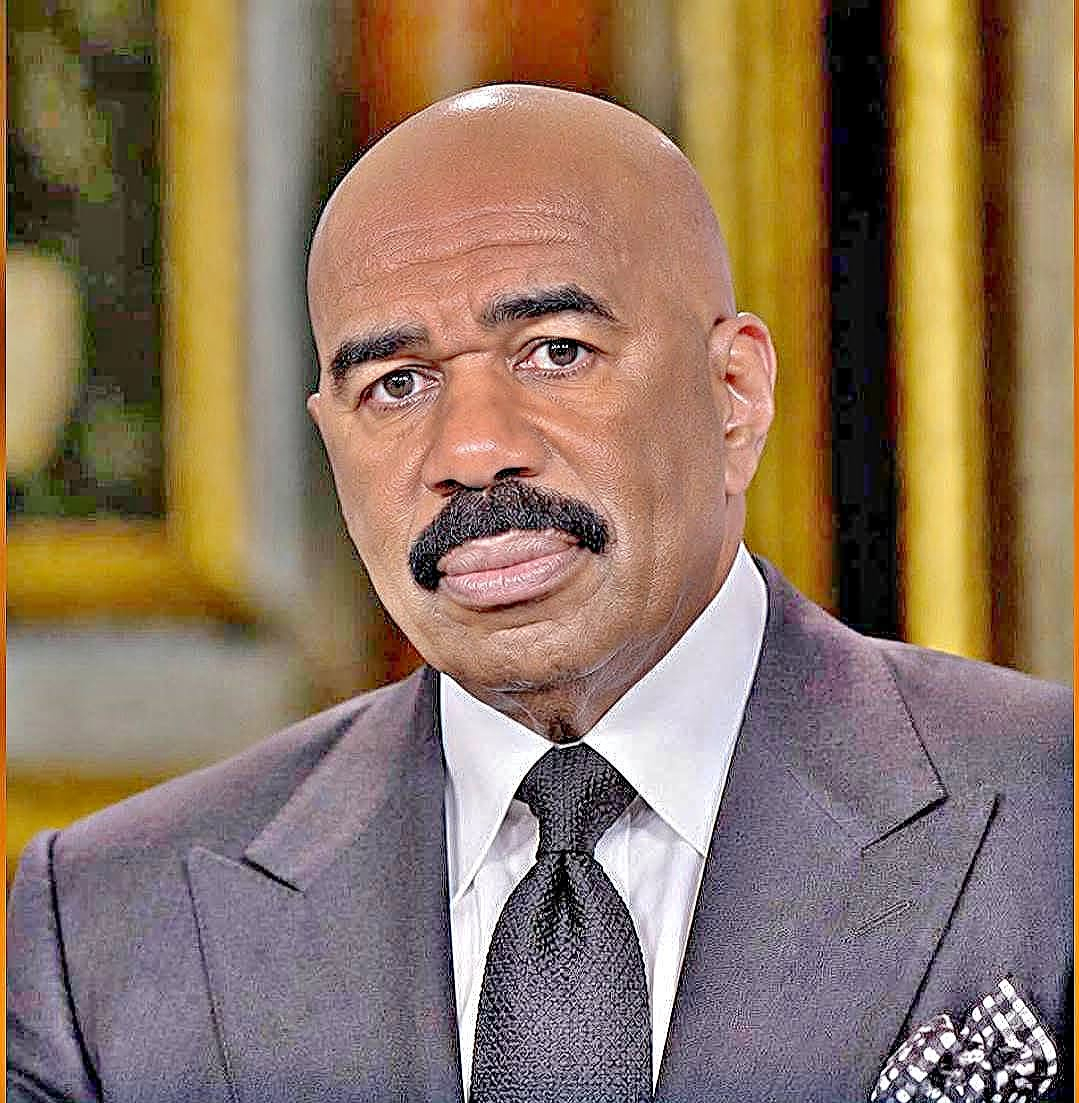
The ads used his photograph alongside sensational headlines suggesting he had made inappropriate comments during a television appearance.
The language was deliberately dramatic.
Readers were led to believe that a major network had abruptly dismissed one of television’s most recognizable hosts.
The claim was particularly attention-grabbing because Harvey had been associated with Family Feud for many years.
However, fact-checkers investigating the advertisements found no evidence supporting the alleged firing.
The story was false.
The Fake CNN Article
One of the most important details emerged when users clicked the advertisements.
Instead of reaching a genuine news report, some were directed to a webpage designed to resemble CNN.
The page used familiar news-style formatting, photographs, and a dramatic headline.
But it wasn’t published by CNN.
The fraudulent article appeared on an unrelated domain, pastadibern.pro, rather than CNN’s official website.
That distinction was central to understanding the deception.
The website borrowed the appearance of a trusted news organization to make an invented story seem credible.
What the Fabricated Article Claimed
The fake report presented a supposed controversy involving Harvey and Oprah Winfrey.
It alleged that Harvey had discussed intimate health concerns during an interview and promoted Canna Labs CBD Gummies as a solution.
The article attributed comments to both personalities.
It also attempted to create the impression that the alleged interview had caused professional consequences for Harvey.
But investigators found that the supposed interview was fabricated.
The attributed remarks were not authentic.
And the claim that Harvey had endorsed the CBD product was false.
Oprah Winfrey Was Also Misrepresented
Including Oprah Winfrey made the advertisement more recognizable and sensational.
Both Harvey and Winfrey are familiar television personalities.
Placing them together in a supposed controversy increased the likelihood that viewers would notice the advertisement.
But recognition is not evidence.
The interview described in the fabricated article was not a legitimate documented exchange between the two personalities.
The scam exploited their public identities to create an artificial sense of credibility.
The Real Purpose Was to Promote CBD Gummies
The alleged firing was the attention-grabbing opening.
The product promotion was the underlying objective.
The fake article tried to persuade readers that Harvey had personally experienced health benefits from Canna Labs CBD Gummies.
By attaching a famous person’s name to the product, the promotion attempted to gain readers’ trust.
This is a familiar pattern in fraudulent celebrity advertising.
First, a dramatic claim draws attention.
Next, an imitation news report provides an appearance of legitimacy.
Finally, the reader is directed toward a commercial product.
The original celebrity controversy is simply the bait.
Fact-Checkers Investigated the Claims
A May 2024 fact-check by Jordan Liles, published through Snopes and carried by Yahoo, examined the advertisements and the imitation CNN article.
The investigation found that Harvey had not been removed from Family Feud as the advertisements claimed.
It also found no genuine Oprah Winfrey interview matching the story.
And the alleged CBD endorsement was fabricated.
ABC affiliate KGTV also reported that the firing claim was fictional and that the purported CNN report was part of a fake celebrity endorsement scheme.
The findings were consistent: the advertisements did not represent legitimate breaking news.
A Fake Social Media Post Added to the Illusion
The fraudulent article also included what appeared to be a statement from Harvey’s account on X, formerly Twitter.
The supposed post portrayed him as shocked by his dismissal.
But the fact-check found that this was not a genuine post from his account.
This additional detail mattered because fake screenshots can make invented stories appear more convincing.
A reader who sees an apparent social media statement from the celebrity may assume it confirms the surrounding article.
In reality, screenshots can be manipulated or fabricated.
They should not be accepted as evidence without checking the original source.
The Scam Wasn’t Entirely New
The 2024 advertisements followed an earlier pattern.
False claims connecting Steve Harvey with CBD products had already circulated in 2022.
Similar misleading advertisements have used the names or images of other celebrities, including Oprah Winfrey and Mayim Bialik.
The details vary, but the approach remains similar.
A well-known public figure is placed at the center of a shocking story.
A fake endorsement is introduced.
And the reader is encouraged to trust a product because of the celebrity’s supposed involvement.
Why These Advertisements Can Look Convincing
Fraudulent advertisements often reproduce the visual language of legitimate media.
They may use professional-looking photographs, familiar logos, convincing headlines, and realistic page layouts.
Sometimes they include fabricated dialogue or social media posts.
For readers scrolling quickly through social media, these details can create the impression that an established news organization has already verified the claim.
But a convincing design does not make the information accurate.
The actual source matters more than the appearance.
In the Harvey scam, the webpage imitated CNN while operating from an unrelated domain.
That was a major warning sign.
How to Recognize Similar Celebrity Scams
There are several warning signs worth checking whenever a celebrity appears in a sensational advertisement.
Check the actual website address. A webpage that looks like CNN is not necessarily operated by CNN.
Search for independent coverage. A major television firing would typically attract reporting from established entertainment and news organizations.
Verify alleged endorsements. A celebrity photograph beside a product does not establish that the person recommends it.
Be cautious about dramatic health claims. Products promising extraordinary results require credible evidence, not invented testimonials.
Avoid pressure to purchase immediately. Countdown timers, limited-stock claims, and supposedly secret offers can be used to discourage careful decision-making.
These precautions are particularly important when a promotional article requests payment information.
Why Fake Celebrity Endorsements Matter
The consequences of these campaigns extend beyond one misleading headline.
They can damage trust in legitimate reporting.
They can falsely associate public figures with products.
And they can expose consumers to financial risks.
Some deceptive sales websites may use unclear subscription terms or make unsupported product claims.
Others may collect payment information through questionable checkout systems.
Not every suspicious advertisement involves the same financial arrangement, but the broader risk is real.
Readers should verify both the identity of the seller and the legitimacy of the advertised claims before making a purchase.
What Actually Happened to Steve Harvey?
The central allegation circulating in May 2024 was false.
There was no verified incident in which Harvey was fired from Family Feud for making the supposed remarks during an Oprah Winfrey interview.
The fake CNN-style article was not a legitimate CNN report.
The alleged interview was invented.
And the purported endorsement of Canna Labs CBD Gummies was fabricated.
The advertisements used a fictional television scandal to attract attention to a commercial promotion.
That is the essential distinction between the viral rumor and the documented facts.
The Bottom Line
The Steve Harvey firing rumor was not a genuine entertainment news story.
It was a misleading advertising campaign.
The operators used the names and images of recognizable television personalities, combined them with a sensational allegation, and presented the result through a webpage resembling a trusted news outlet.
Fact-checkers identified the claims as false.
The incident offers an important reminder about online misinformation.
A recognizable celebrity doesn’t guarantee authenticity.
A familiar news logo doesn’t prove publication.
And an extraordinary headline doesn’t become true simply because it appears in a paid advertisement.
Before believing or sharing a major claim, verify where it originated and whether reliable sources independently confirm it.
The real story wasn’t that Steve Harvey had been fired. It was that his identity had been used in a fraudulent promotional campaign.